

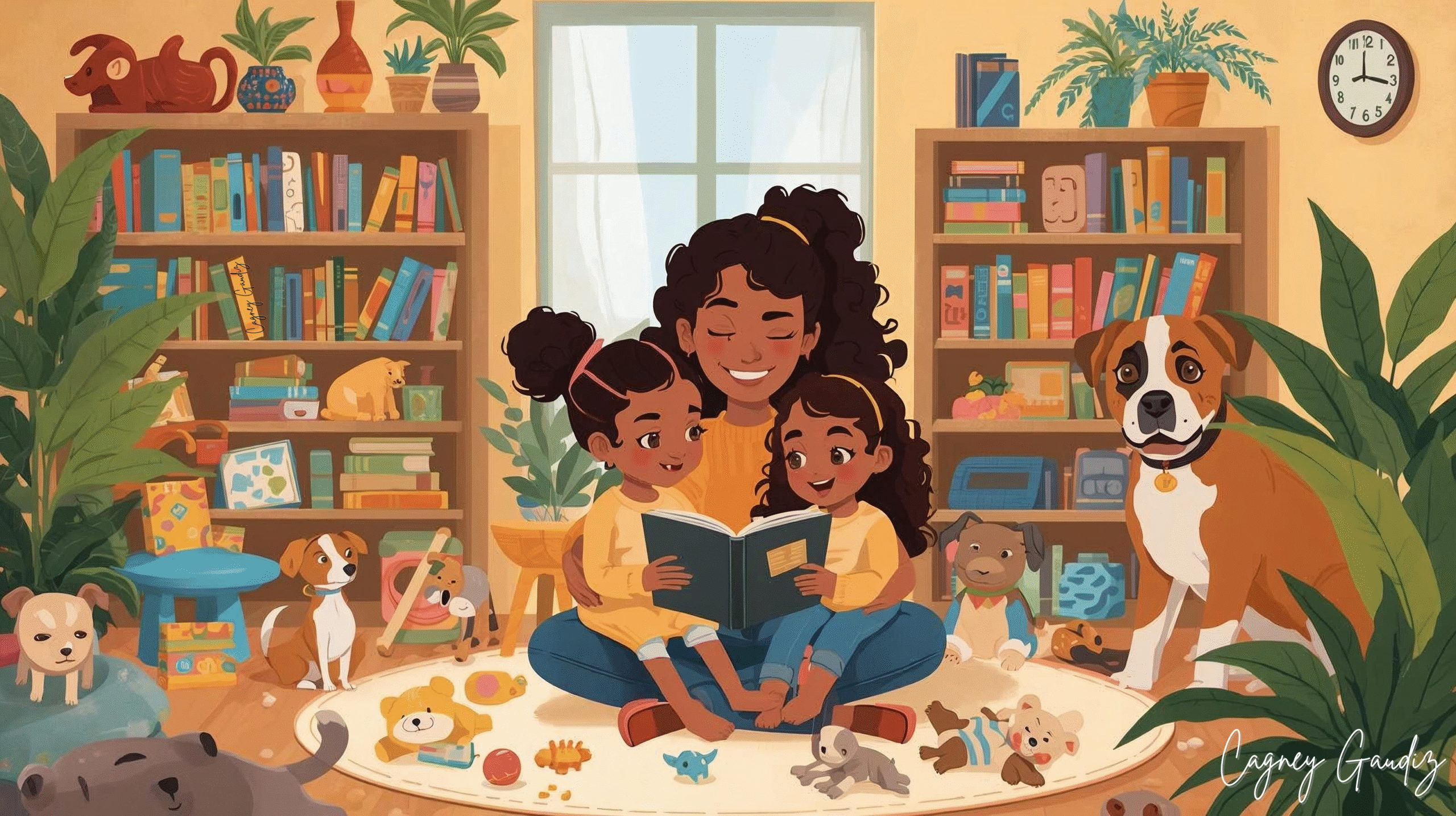
When we think about reform, most people look outward—to government, to schools, to institutions that shape our daily lives. But true reform begins long before a child enters those spaces. It begins at home. It begins with the values, conversations, and examples children are given by the people who raise them.
Every child carries forward the lessons of their home. If they are taught empathy, accountability, and integrity, they learn to value human dignity and fairness. If they are taught critical thinking, they grow into adults who can question harmful systems and resist dangerous ideologies. If they are surrounded by compassion and open dialogue, they develop resilience and confidence that no broken system can easily erode.
But when homes replicate patterns of silence, abuse, or prejudice, children are primed to either fall into the same cycles or to become bystanders to harm. This is where reform truly starts—not in the passing of laws, but in the breaking of generational cycles.
We must ask ourselves: what kind of world are we preparing our children to inherit? Are we equipping them to recognize manipulation, injustice, and corruption when they see it? Or are we leaving them vulnerable to repeat the same mistakes that broke us?
Body Safety and Consent
One of the most important lessons children can learn early on is body safety and consent. Teaching kids that their bodies belong to them and that they have the right to say “no” builds a foundation of self-respect and awareness. It helps prevent abuse and equips children to recognize unsafe situations. Too often, children are taught obedience without balance, which can leave them vulnerable to exploitation. Empowering children with the language of consent gives them the tools to protect themselves.
At no point should children be taught to keep secrets or that abuse happening to them is something they should be afraid to share or ashamed of. They should be taught what grooming looks like given real world examples and real world safety tools.
Why No Child is Too Young to Learn About Sex
Some parents shy away from the topic of sex, believing their children are too young, but age-appropriate conversations are essential. Children are naturally curious and when they are left to figure things out alone, they can turn to unsafe or inaccurate sources. By teaching that sex is something reserved for two consenting adults, parents establish boundaries and set expectations that protect children from confusion and misinformation. It’s not about promoting sexuality, but about preparing children with knowledge so they aren’t left vulnerable.
There is no shame in sex, it is how we all got here, but we must teach children sex is only for adults and at no point in their childhood should they be involved in any form of sex.
Teaching Compassion About Gender Identity
Talking to children about transgenderism and gender identity can feel overwhelming to some parents, but it doesn’t have to be. Teaching kids about these realities does not mean you are promoting or pushing an ideology, it means you are teaching compassion and respect for others. Children need to understand that not everyone will live, believe, or identify the same way they do. When they learn to respect differences, even when they disagree, they develop empathy and co-existence. This skill is crucial in a diverse world where compassion is often the first step toward justice.
Building Integrity and Discernment
Reform at home looks like teaching children compassion not only for others, but for themselves. It looks like explaining integrity in ways they can understand, showing them how honesty and accountability matter even when no one is watching. It looks like equipping them with discernment, so they can see the difference between someone who truly has their best interest at heart and someone who pretends to.
Practical Steps for Parents
Practical steps can be simple: reading stories that highlight fairness and empathy, encouraging children to express their feelings safely and involving them in age-appropriate conversations about justice. These small acts create the foundation for a generation of reformers who will not only inherit systems but reshape them.
If we want to break cycles of abuse, corruption, and indifference, the work must begin at home. Every lesson of integrity, every conversation about justice, every example of compassion—it all becomes the building blocks of a future where reform isn’t just demanded from institutions, but lived out by the people who make them.